Feugiat nulla facilisis at vero eros et curt accumsan et iusto odio dignissim qui blandit praesent luptatum zzril.
+ (123) 1800-453-1546
clinic@qodeinteractive.com

Related Posts

Doctor Appointment - Thursday: 4:00PM - 6:00PM
Lipid-profile

What is a lipid profile?

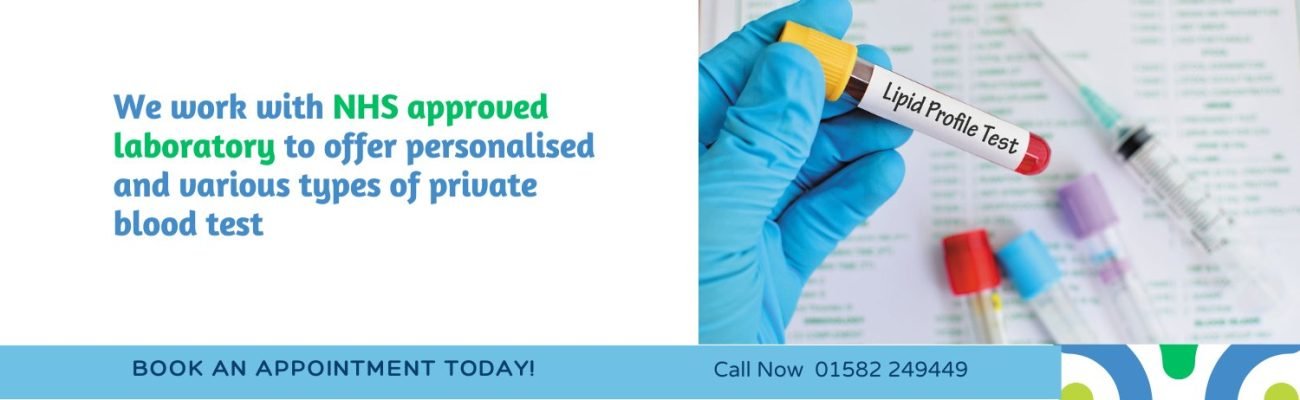
A lipid profile is a type of blood test that assesses the levels of lipids in the blood. At Fusion Healthcare, we offer a private lipid profile blood test to assess these different fats (lipids). Lipids are the different types of cholesterol and other fats found in the blood. These fats are essential for numerous bodily functions; however, they can pose risks if present in excessive amounts. Cholesterol and triglycerides are transported by lipoprotein. Lipoproteins are particles made of protein and fats which carry cholesterol through to your cells. 

There are two main groups of lipoproteins. These include High-density lipoprotein (HDL) otherwise known as ‘god’ protein, and Low-density lipoprotein (LDL) otherwise known as bad cholesterol.  

What does the profile measure?

The standard lipid panel measures four key components: 

  1. Total Cholesterol: This is the overall amount of cholesterol in your blood, including both “good” and “bad” cholesterol. While your body needs some cholesterol to function, too much can lead to the build-up of fatty deposits in your arteries, increasing the risk of heart disease and stroke. 
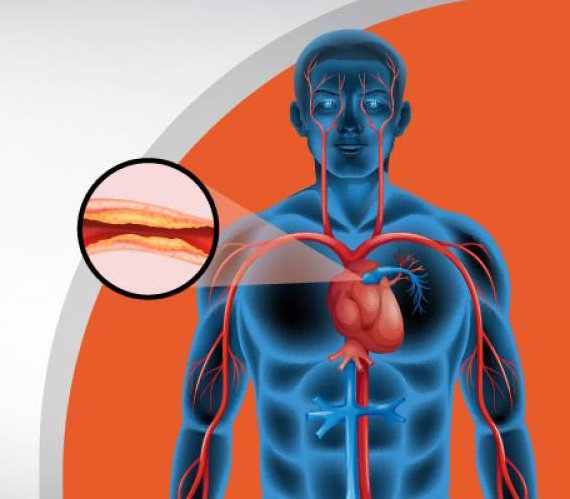
  1. Low-Density Lipoprotein (LDL) Cholesterol: Often referred to as “bad cholesterol,” LDL can accumulate on the walls of your arteries, forming plaques that narrow and harden the arteries (atherosclerosis). This can lead to reduced blood flow and, over time, cause heart attacks or strokes. 
  1. High-Density Lipoprotein (HDL) Cholesterol: Known as “good cholesterol,” HDL helps remove LDL cholesterol from your arteries and transport it to the liver, where it can be processed and eliminated from the body. Higher levels of HDL are generally associated with a lower risk of heart disease. 
  1. Triglycerides: These are a type of fat found in the blood that your body uses for energy. However, high levels of triglycerides can increase your risk of heart disease, particularly when combined with high LDL or low HDL cholesterol levels. 

Why Is a Lipid Blood Test Important?

Lipid blood tests are vital because they provide a snapshot of your cardiovascular health. Here’s why it’s crucial: 

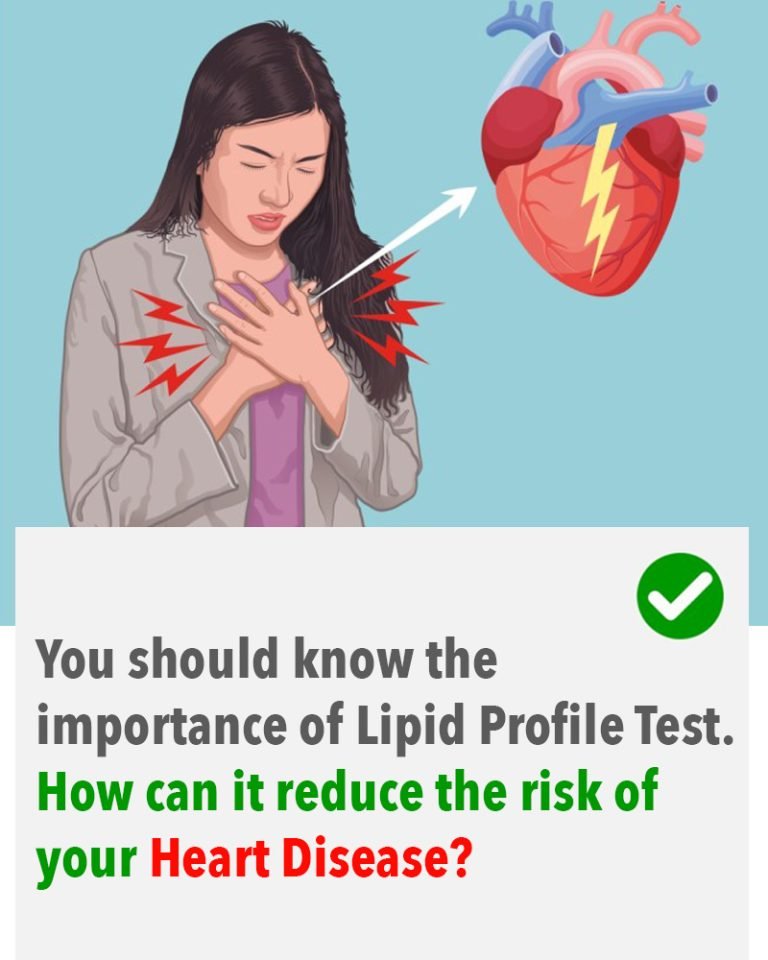
  • Early Detection of Heart Disease: High levels of LDL cholesterol and triglycerides can contribute to the development of heart disease long before any symptoms appear. By identifying these risk factors early, you can take steps to lower your cholesterol and improve your heart health through lifestyle changes, medications, or both. 
  • Assessing Risk: Your lipid levels are a key factor in determining your overall risk for cardiovascular events like heart attacks or strokes. Doctors use the results of a lipid panel to calculate your risk and guide treatment decisions. 
  • Monitoring Treatment: If you’re already undergoing treatment for high cholesterol or heart disease, regular lipid panels help your doctor assess how well the treatment is working and make any necessary adjustments. 

When should you have this test?

If you have one or more risk factors you will typically have more frequent screening and often have your first test at a younger age. Examples of risk factors include: 

  • Over age 45 for men and 50-55 for women 
  • High cholesterol on a prior test 
  • Previous cardiovascular problem 
  • Smoking cigarettes 
  • Being overweight or obese 
  • Eating an unhealthy diet 
  • Not getting enough physical activity 
  • Having high blood pressure (hypertension) 
  • Having a first-degree relative who developed heart disease at an early age (under 55 in men and under 65 in women) 
  • Having diabetes or prediabetes 

If you have one or more risk factors, you may receive a lipid test every year or every few years. The frequency of testing may depend on the results of prior tests. 

Preparing for the Lipid profile blood test

The lipid profile blood test should be done when the person is healthy. This is because taking the test when ill might give inappropriate results as some drugs have been known to interfere with the test. To get good results, we at Fusion Healthcare always advise our clients to take the test at least six weeks after any illness. In most cases it is necessary to fast for 8-12 hours prior to the having the lipid blood test profile done. 

Results of the test

The results from this test can help provide peace of mind, help identify if you are at risk, or help monitor your condition.  

A high cholesterol level does not automatically mean that you have heart disease. It simply means you are at risk of having one if you do not pay attention to your health. You can turn the tables around by making lifestyle changes, to reduce the chances of developing heart disease. 

Some steps you can take include; 

  • Engaging in aerobic exercises 
  • Consuming diets of low saturated fat 
  • Consuming foods that are rich in fibre and plant sterols 

If this does not work, you can try using medications to lower cholesterol levels. Consult your healthcare provider regarding next steps. Additionally, we offer private Gp consultations at Fusion Healthcare. 

Price: £70

FAQ: Blood Test Service

How do I prepare for a blood test?

Preparation for a blood test may vary depending on the type of test. Generally, you may need to fast for 8-12 hours before the test, avoid certain medications, and stay hydrated. Our team will provide specific instructions based on your test.

How long does it take to get the results?

The turnaround time for blood test results depends on the specific test. Most standard tests are completed within 24-48 hours, while specialized tests may take a bit longer. We will inform you of the expected time frame when you have your test done.

Are the blood tests covered by insurance?

Coverage for blood tests varies depending on your insurance plan. We recommend checking with your insurance provider to understand what tests are covered. Our team can also assist you with any insurance-related queries.

How can I book a blood test appointment?

Booking a blood test appointment at Fusion Healthcare is easy. You can schedule your appointment online through our website, call us at 01582 249 449, or email us at info@fusion-radiology.com. We offer flexible appointment times to accommodate your schedule.

Get Blood Test done from NHS Approved Lab within 24 hrs